
If your company is registered in Vietnam but owned or managed from Australia, New Zealand or Singapore, a common question is when the audited financial statements must be filed. The short answer is that the deadline depends on your entity type, your year-end and who receives the filing. Many companies work from a 90-day benchmark, but it is not a universal rule. This guide explains how to pin down your deadline, when an audit is required before filing, how to plan backwards from it, and what to do if you are running late.

What audited financial statements are in Vietnam
Audited financial statements are a full set of annual accounts accompanied by an independent auditor's report. The auditor expresses an opinion on whether the accounts fairly present the company's position. Banks, regulators and foreign head offices usually rely on that opinion, which is why it carries more weight than internally prepared accounts.
Which Vietnamese companies must be audited before filing
Not every company must be audited. Foreign-invested enterprises are a key group subject to a mandatory audit, and other categories apply under the rules. You can review the groups in our guide to who must have an audit of financial statements. If the audit is mandatory, it must be completed before the accounts are filed, so the audit timetable has to be worked backwards from the deadline.
How to determine your filing deadline in Vietnam
In principle the deadline runs from the end of your financial year. Check the following:
- your financial year-end, as stated in your charter or establishment decision;
- your entity type, since limited liability companies, joint stock companies, sole proprietorships and partnerships can follow different rules;
- who receives the accounts, such as the tax authority, the statistics office, a sector regulator, or the securities regulator for listed companies;
- any change in the accounting regime, as current guidance can be updated from year to year.
A 90-day period is commonly cited for many companies, but some entity types have shorter periods. Confirm the rule that applies to your year before relying on a single number.
Planning backwards from the deadline
Audit timing is the step most often underestimated, especially when the books are not closed on time. A workable plan looks like this:
- Close the books: complete postings and reconcile bank accounts, receivables and payables.
- Prepare the audit file: trial balance, sub-ledgers, major contracts and board minutes.
- Audit and respond: answer the auditor's questions and post adjustments where needed.
- Sign and issue: the report is signed and issued by the right authority.
- File and retain: lodge the accounts, keep the receipt and store both electronic and paper copies.

Extensions and special cases
In some circumstances an extension may be requested under the applicable rules, usually before the deadline and with a valid reason. Do not assume an extension will be granted until it is approved in writing. Events such as a merger, division, dissolution or change of legal form can also change the filing timetable, so take advice early.
Penalties for late filing in Vietnam
Late filing can attract administrative penalties. The amount depends on how late the filing is and the type of breach, and the rules change over time. Beyond fines, delays can affect bank facilities, tax records and relationships with overseas head offices. Check the current penalty decree before estimating your exposure.
Common filing scenarios for foreign-owned companies
The Vietnamese year-end differs from the parent's year-end
Many foreign-owned groups keep a December year-end at head office but use a different financial year in Vietnam, or the reverse. Each entity files on its own calendar, so the group needs a separate filing timetable for the Vietnamese company and for any consolidation pack sent overseas.
Accounts are due overseas before the Vietnamese audit is finished
Head office may need group figures before the Vietnamese auditor signs. In that case, agree on a provisional set of numbers, make clear which figures are unaudited, and update the group pack once the signed report is issued. Mixing audited and unaudited numbers without labels creates confusion for lenders and auditors alike.
Accounts are prepared in English but filed in Vietnamese
Filings in Vietnam are generally made in Vietnamese. If the board and head office work in English, prepare both versions from the same source and check that the terms match. Mistranslated line items are a common cause of follow-up questions from reviewers.
Vietnam vs Australia, New Zealand and Singapore
| Criteria | Vietnam | Australia | New Zealand | Singapore |
|---|---|---|---|---|
| Who signs the audit report | Licensed Vietnamese audit firm and auditor | Registered company auditor, regulated by ASIC | Licensed auditor, overseen by the FMA | Public accountant registered with ACRA |
| Audit requirement | Mandatory for foreign-invested enterprises and certain other groups | Large proprietary companies must be audited unless ASIC relief applies | Depends on the entity; FMA licensing governs who may audit issuers | Annual audit for private companies, subject to exemptions |
| Filing deadline | Generally counted from year-end; varies by entity type | Large proprietary companies that are not disclosing entities generally lodge within four months after year-end | Varies; check the Companies Office | Varies; check ACRA |
| Fees and timing | Varies; request a quote | Varies; request a quote | Varies; request a quote | Varies; request a quote |
| Key legal difference | Penalties depend on how late the filing is | The large versus small company test determines the audit obligation | Overseas auditors must be licensed and registered by the FMA | Private company exemptions come with conditions |
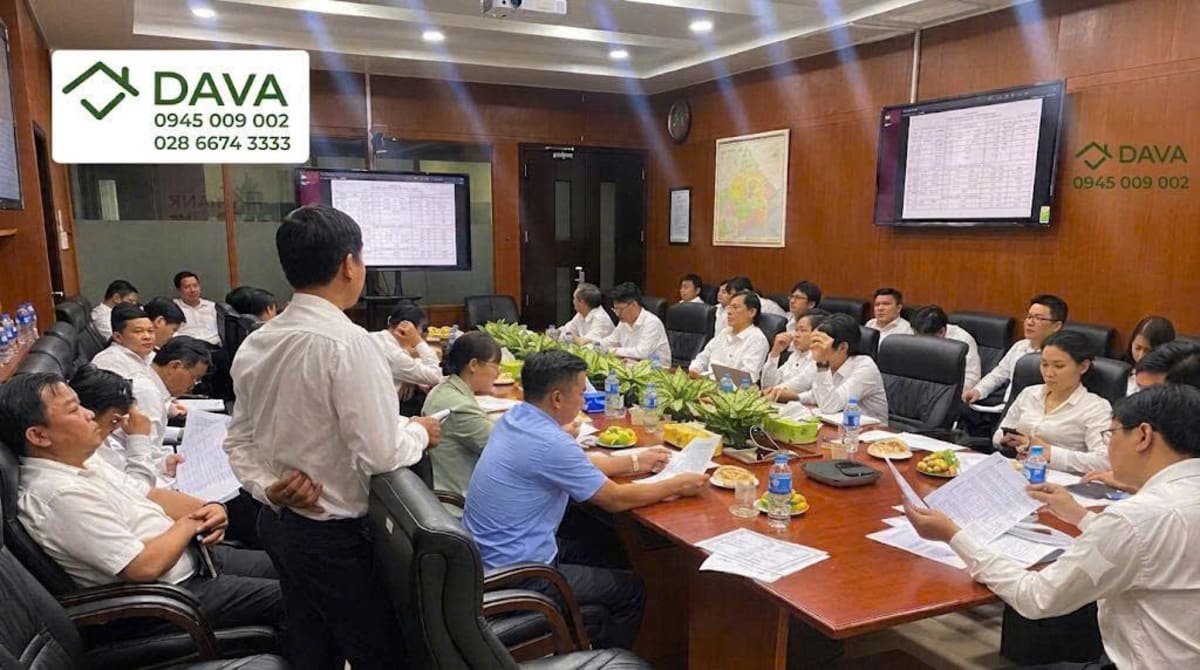
How DAVA supports foreign companies and expats in Vietnam
DAVA works with foreign-invested companies, expatriate owners and the advisers who support them, including audit and legal teams in Australia, New Zealand and Singapore. We have offices in Ho Chi Minh City, Hanoi and Da Nang, and can inspect records on site where needed. We have more than 15 years of experience valuing property, businesses and machinery, and our licensed valuers understand how assets and liabilities sit within a company's accounts.
Our team can work with you in English; documents can be prepared bilingually.
For Australian clients, you can reach us on WhatsApp at +61 451 710 342 (via Qualified AU Pty Ltd). For all other enquiries, email voan.sgg@gmail.com.