
Introduction: Why Vietnam Bank Property Auctions Matter
In recent years, Vietnam bank property auction has become one of the most crucial mechanisms for recovering debts, restructuring assets, and ensuring transparent circulation of real estate within the economy. When borrowers fail to fulfill their financial obligations, banks are legally empowered to liquidate pledged assets—most commonly real estate—through public auction. This process not only protects the financial institution’s balance sheet but also helps stabilize the real estate market by ensuring that foreclosed properties are sold in compliance with the Law on Property Auction 2016, the Law on Credit Institutions 2010 (amended 2017), and the newly updated Law on Prices 2023.
For government agencies, state-owned enterprises, and private organizations that may become involved in this process—whether as creditors, debtors, or investors—understanding the procedures of Vietnam bank property auctions is absolutely essential. Incorrect steps, administrative oversights, or non-compliance with legal regulations can lead to invalid auctions, financial loss, reputational risks, or even legal liability.
At Asia Legal Group, we specialize in guiding clients—particularly organizations—through every stage of the bank property auction process in Vietnam. With extensive experience in legal advisory, compliance, and asset auction oversight, our mission is to ensure that you operate strictly within the law, avoid common pitfalls, and achieve efficient outcomes.
This article provides a comprehensive, step-by-step guide on Vietnam bank property auctions, structured into three parts: understanding the regulatory framework, a detailed guide on the process, and lessons learned from past violations with expert recommendations for organizations.
The Legal Framework Governing Vietnam Bank Property Auctions
Before diving into practical steps, it is important to clarify the legal foundation. Bank property auctions are not conducted in isolation; they are tightly regulated by a combination of laws, decrees, and circulars.
Core Legal Documents
The most important documents include the Law on Property Auction 2016, which establishes the general framework for auction procedures including registration, public announcements, and bidding mechanisms. The Civil Code 2015 defines ownership rights, obligations, and enforcement mechanisms in case of non-payment of debts. The Law on Credit Institutions 2010 (amended 2017) outlines the rights of banks to handle collateralized assets when debtors default. The Law on Prices 2023 provides updated rules on valuation standards, ensuring transparency and preventing undervaluation or overpricing of auctioned properties. Meanwhile, Decree 62/2017/ND-CP and related amendments implement regulations on enforcement of civil judgments, which often overlap with property auctions. Finally, circulars from the Ministry of Justice and the State Bank of Vietnam (SBV) provide additional procedural guidance.
Key Principles
The regulatory framework emphasizes transparency, fair competition, protection of creditor rights, and strict legal compliance. Auctions must be publicly announced, accessible to potential bidders, and monitored by relevant authorities. No bidder should be given unfair advantages. Banks must be able to recover debts effectively while ensuring due process. And all participants—from auction organizations to bidders—must adhere to legally prescribed procedures.
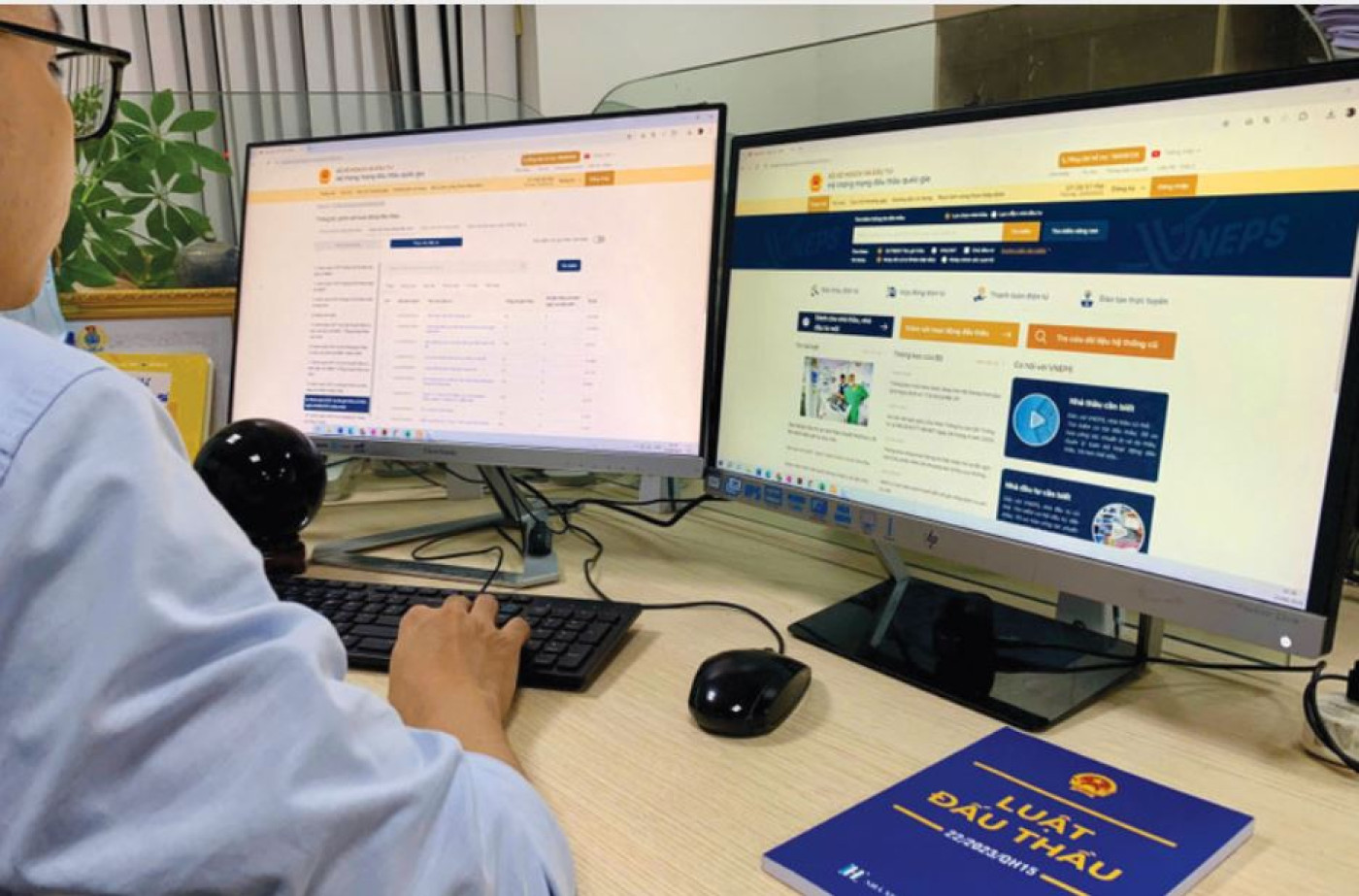
Vietnam bank property auction(illustration)
Step-by-Step Guide to Vietnam Bank Property Auction
Organizations preparing to engage in a bank property auction must follow a clear and legally compliant process. Below is a detailed guide tailored for agencies, enterprises, and investors.
Step 1: Initiation of Auction Request
When a debtor defaults, the bank (as the secured creditor) initiates the auction of the mortgaged property. This typically requires a formal notice of default sent to the debtor, an internal bank decision to liquidate collateral, and engagement with an authorized auction organization licensed under Vietnamese law.
Asia Legal Group’s advice: Ensure that all preliminary steps—especially notification to the debtor—are properly documented. Missing this step can later be grounds for annulment of the auction.
Step 2: Selection of Auction Organization
Banks and agencies must contract with a licensed property auction organization. According to the Ministry of Justice, only registered entities with certified auctioneers can operate.
Checklist for selection includes verifying the validity of operating licenses, assessing proven track record in handling large-scale auctions, ensuring transparency in fee structures, and confirming the capability to conduct both offline and online auctions. The shift toward digital platforms is increasingly encouraged to enhance transparency and participation.
Step 3: Property Valuation
Before announcing the auction, the asset must be valued. This is where the Law on Prices 2023 plays a critical role. Valuation must be conducted by a certified valuation firm, in compliance with Vietnamese Valuation Standards (VVS), and based on fair market value considering location, condition, and comparable sales.
Common mistakes in this stage include undervaluing assets to favor insiders or overpricing properties in ways that discourage genuine bidders. Both situations have historically led to annulled auctions and even criminal investigations.
Step 4: Public Announcement
The auction must be announced on the national property auction portal, the auction organization’s official website, and at least one central or local newspaper.
The announcement must include a description of the property, valuation and starting price, time, date, and location of the auction, and requirements for bidder registration. According to law, the announcement must be made at least 15 days before the auction date.
Step 5: Bidder Registration and Deposit
Interested bidders must register and pay a deposit, typically ranging from 5% to 20% of the starting price, as stipulated by law. Deposits must be handled transparently through bank accounts. Refunds for unsuccessful bidders must be processed promptly. Only registered bidders who meet eligibility requirements may participate.
Step 6: Auction Execution
Auctions may be conducted in several forms: direct verbal bidding, written bidding, or online bidding (which is increasingly common to enhance transparency). The process must be chaired by a licensed auctioneer, who is responsible for ensuring fairness, recording bids, and announcing results in compliance with the Law on Property Auction 2016.
Step 7: Confirmation and Payment of Winning Bid
Once the auction concludes, the highest bidder who satisfies all legal requirements is declared the winner. The auctioneer must issue an official record of the results, signed by all relevant parties, including the auction organization, representatives of the bank, and witnesses if required.
The winning bidder must pay the purchase price within the timeline stipulated in the auction documents. Typically, this ranges from 15 to 30 days after the auction. The initial deposit is deducted from the total payable amount. If the winning bidder fails to complete payment within the deadline, the deposit is forfeited, and the auction results may be annulled.
Asia Legal Group’s advice: Organizations must monitor this stage closely. Delays or improper handling of payments have been a common cause of disputes. Always document receipts, ensure payment through traceable banking channels, and confirm that funds are properly transferred to the bank’s recovery account.
Step 8: Transfer of Property Ownership
Following payment, the bank and auction organization must facilitate the transfer of ownership rights to the winning bidder. For real estate, this involves updating land-use rights certificates and registering ownership with local authorities. For other types of assets, ownership certificates or registration documents must be handed over.
The bank is also required to issue confirmation that the debt has been settled through the auction proceeds. In some cases, if the auctioned property is worth more than the outstanding debt, the remaining balance must be returned to the debtor.
This stage often requires coordination with local notary offices, land registration authorities, and tax departments. Failure to complete transfer procedures in accordance with the law may lead to protracted disputes, especially if third parties later challenge the auction results.
Common Timelines in Vietnam Bank Property Auction
Understanding the timeline is crucial for organizations to manage expectations and compliance. Below is a typical sequence:
Day 0: Bank issues decision to auction property.
Day 1–10: Valuation process conducted by certified firm.
Day 11–25: Auction announcement published (minimum 15 days before auction).
Day 26–40: Registration period for bidders, collection of deposits.
Day 41: Auction day.
Day 42–55: Winning bidder completes payment.
Day 56–70: Transfer of ownership and settlement of debt
While this is a general framework, actual timelines may vary depending on complexity, property type, and regional practices.
Frequent Mistakes and Violations in Bank Property Auctions
Despite clear regulations, many auctions in Vietnam have faced challenges due to procedural violations or misconduct. Understanding these mistakes is essential for organizations to avoid legal and financial risks.
Violation 1: Non-Transparent Valuation
One of the most common violations involves collusion between valuation firms and insiders to deliberately undervalue assets. This practice benefits certain buyers at the expense of creditors and debtors. Several high-profile cases have been annulled because of undervaluation, leading to re-auctions and even criminal proceedings.
Violation 2: Insufficient Public Notice
Some auction organizations have failed to properly publish announcements in accordance with legal requirements. This includes posting only on obscure websites or delaying publication, thereby restricting participation. Such violations compromise transparency and can invalidate the auction.
Violation 3: Collusion Among Bidders
There have been cases where bidders secretly agreed to suppress competition, allowing one party to win at a low price. Vietnamese law treats this as a serious violation of fair competition principles. If proven, the auction results may be annulled, and participants may face penalties.
Violation 4: Mishandling of Deposits
Failure to refund deposits on time, or mismanagement of bidder funds, has been another recurring problem. In certain cases, deposits were misused or not properly accounted for, leading to lawsuits against auction organizations.
Violation 5: Delayed Transfer of Ownership
Even after successful payment, some organizations failed to promptly complete ownership transfers. This created legal uncertainty for winning bidders and undermined confidence in the auction system.
Lessons Learned from Past Violations
Drawing on cases where violations occurred, several key lessons emerge for organizations preparing to engage in Vietnam bank property auctions.
First, compliance must be proactive, not reactive. Many violations stem from neglecting procedural details—such as failing to document notification to debtors or skipping certain publication channels. These may seem minor but can nullify entire auctions.
Second, transparency is non-negotiable. Whether in valuation, announcement, or bidding, all steps must be visible and verifiable. Organizations should insist on clear audit trails, use digital platforms when possible, and engage independent oversight.
Third, partnerships matter. Choosing reputable valuation firms and auction organizations reduces risk significantly. Attempting to cut costs by hiring inexperienced providers often results in greater long-term losses.
Finally, legal advisory is essential. Regulations are complex and frequently updated. Without specialized guidance, organizations risk missing key compliance obligations.
The Role of Asia Legal Group in Vietnam Bank Property Auctions
At Asia Legal Group, we have assisted numerous organizations—including state-owned enterprises, private companies, and financial institutions—in navigating the complexities of bank property auctions. Our role goes beyond basic compliance. We provide strategic advisory tailored to each client’s needs.
Comprehensive Legal Advisory
We ensure that every step of the auction process complies with Vietnamese law, from initial notification to ownership transfer. This includes reviewing contracts with auction organizations, monitoring valuation procedures, and verifying announcements.
Risk Management and Dispute Prevention
By anticipating potential legal pitfalls, we help organizations avoid disputes. Where disputes are unavoidable, our litigation team provides robust representation, protecting clients’ interests in court or arbitration.
Customized Training for Client Teams
We offer specialized training programs for organizations involved in frequent auctions. This equips client staff with the knowledge to identify risks, manage compliance, and coordinate effectively with external partners.
Marketing Advantage for Transparency
Beyond compliance, we position our clients as transparent and responsible market players. Demonstrating adherence to the latest laws enhances organizational reputation, attracting investors, partners, and stakeholders.
Strategic Recommendations for Organizations
Based on our experience, here are strategic recommendations for organizations preparing to participate in or organize Vietnam bank property auctions.
Start with a Legal Audit – Review internal processes to ensure readiness for compliance with the Law on Property Auction 2016 and the Law on Prices 2023.
Engage Certified Partners – Always work with licensed valuation firms and auction organizations. Verify credentials and demand evidence of past performance.
Use Digital Platforms – Whenever possible, opt for online auctions. They reduce risks of collusion and broaden participation.
Document Every Step – Maintain comprehensive records of notifications, valuations, announcements, deposits, bids, and payments. Documentation is your strongest defense in case of disputes.
Prioritize Transparency Over Speed – While recovering debts quickly is important, cutting corners undermines credibility. Transparent procedures protect long-term interests.
Consult Legal Experts Early – Involve legal advisors from the beginning, not just when disputes arise. Proactive legal support is more cost-effective than litigation.
Case Studies and Practical Insights from Vietnam Bank Property Auctions
Case Study 1: Undervaluation Leading to Annulment
In 2021, a major bank in Hanoi attempted to auction a portfolio of residential properties as collateral for a defaulted corporate loan. The valuation firm engaged for the process significantly undervalued the properties compared to prevailing market prices. This triggered complaints from the debtor and competing bidders. Eventually, the Ministry of Justice reviewed the case and found that the valuation process had been manipulated to benefit a specific bidder. The auction was annulled, forcing the bank to restart the process. The delay caused financial losses and reputational damage.
Lesson: Always select independent, certified valuation firms and cross-check valuation results with market benchmarks. Transparency in valuation is as important as the auction itself.
Case Study 2: Improper Auction Announcement
In Ho Chi Minh City, a commercial bank organized a foreclosure auction of a large industrial warehouse. However, the auction organization only announced the event on its own website and skipped publication on the national auction portal. As a result, the number of bidders was limited, raising concerns of insider advantage. A competing bidder challenged the results in court, and the auction was declared invalid.
Lesson: Strictly comply with announcement requirements under the Law on Property Auction 2016. At least 15 days of public notice across required channels is mandatory.
Case Study 3: Collusion Among Bidders
A notorious case in Da Nang involved several real estate investors who colluded to artificially suppress bidding for a high-value beachfront property. By coordinating bids, they ensured one party could acquire the property at a fraction of its true market value. When this scheme was exposed, not only was the auction annulled, but criminal charges were brought against the colluding bidders.
Lesson: Collusion is a serious violation that can trigger both civil and criminal consequences. Auction organizers and banks must remain vigilant and report suspicious bidding patterns immediately.
Practical Checklist for Organizations Engaging in Vietnam Bank Property Auction
Before the Auction
Confirm debtor notification is properly documented.
Engage a certified valuation firm and verify compliance with Vietnamese Valuation Standards.
Review valuation reports against market data.
Select an experienced, licensed auction organization.
Draft auction contracts with clear terms regarding fees, deposits, and dispute resolution.
During the Auction
Ensure announcements are made across all legally required channels.
Monitor bidder registration to confirm eligibility and proper handling of deposits.
Use digital or hybrid auction formats when possible for greater transparency.
Document the entire process with video, minutes, and signed records.
After the Auction
Verify that the winning bidder makes payment within the stipulated timeframe.
Deduct deposits properly and refund others promptly.
Facilitate ownership transfer with notary, land registry, and tax authorities.
Maintain compliance records in case of audits or disputes.
Communicate results transparently to stakeholders

Vietnam bank property auction(illustration)
Why Organizations Should Partner with Asia Legal Group
Vietnam bank property auctions are not simply about selling assets. They involve navigating a complex legal environment, balancing the interests of creditors, debtors, and bidders, and ensuring compliance with evolving regulations. Without the right guidance, organizations risk financial loss, annulled auctions, or worse—legal liability.
At Asia Legal Group, we offer more than legal compliance—we provide strategic value.
Expertise in Auction Law
Our team has in-depth knowledge of the Law on Property Auction 2016, the Law on Credit Institutions, and the Law on Prices 2023. We interpret these laws not just as written rules but as practical frameworks for achieving successful outcomes.
Customized Legal Solutions
Every auction is unique. Whether you are a state-owned enterprise seeking to dispose of assets, a bank aiming to recover debts, or an investor navigating complex acquisitions, we tailor our services to your specific needs.
Proactive Risk Management
We do not wait for disputes to happen. We identify risks early, build preventive measures into contracts and processes, and prepare contingency strategies that protect your organization.
Transparent Processes that Build Reputation
In an era where transparency is valued as much as profitability, compliance with auction regulations enhances your reputation. Asia Legal Group positions your organization as a responsible and reliable market participant.
Marketing Call to Action
If your organization is preparing to engage in a Vietnam bank property auction, do not leave compliance and strategic execution to chance. The risks are too high, and the costs of mistakes are severe.
Asia Legal Group is your trusted partner in ensuring legally sound, transparent, and strategically advantageous outcomes. From advisory and documentation to dispute resolution and training, we provide end-to-end support.
Contact us today to schedule a consultation. Together, we will turn challenges into opportunities and ensure that your organization benefits from the auction process while remaining fully compliant with Vietnamese law.
Final Thoughts
The Vietnamese government is committed to strengthening transparency and efficiency in bank property auctions. For organizations, this presents both opportunities and responsibilities. On one hand, auctions provide a structured method for debt recovery and asset reallocation. On the other hand, strict compliance with evolving laws and regulations is non-negotiable.
The case studies above illustrate the pitfalls of undervaluation, poor announcements, bidder collusion, and procedural lapses. They also highlight the importance of choosing the right partners, documenting every step, and seeking professional legal support.
At Asia Legal Group, we are not only legal advisors but also strategic partners. With our support, your organization can approach Vietnam bank property auctions with clarity, confidence, and credibility. In doing so, you protect your financial interests, uphold your reputation, and contribute to a more transparent and efficient market.
Source: Asia Legal Group
Phone:: 028 6674 3333 -0945 009002 ( P.TGĐ)
Website: https://dinhgiaav.com/
Address: 6-8 Phan Huy Thực, phường Tân Kiểng, Quận 7, TP.HCM
https://maps.app.goo.gl/Xj2bH7djxmCxJYjv6?g_st=iz
https://www.facebook.com/thamdinhgiachaua
CHECK NEW/OLD COMMUNES 2025 NATIONWIDE, COURT AND PEOPLE'S COMMITTEE ADDRESSES PRELIMINARY LAND VALUATION BY ANY LOCATION NATIONWIDE IN 1 MINUTE

