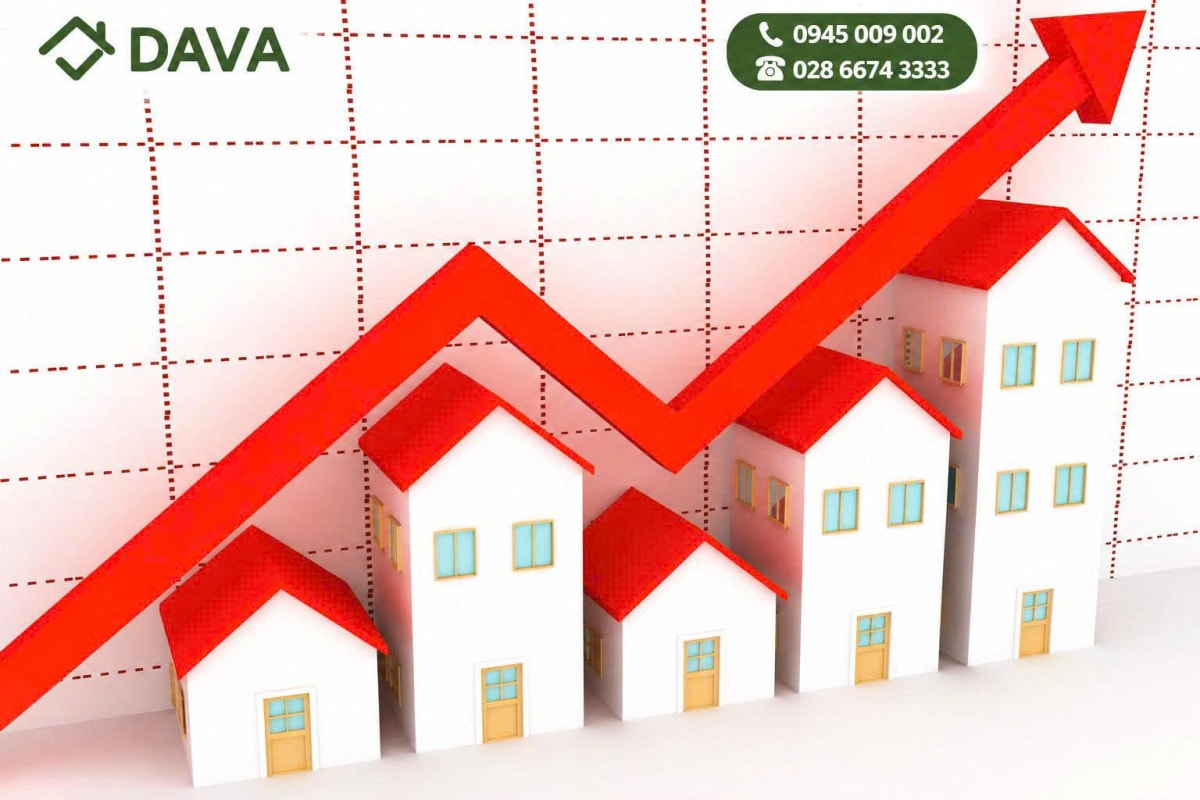
If you need a property valuer in Da Nang, Vietnam, the first question is whether the valuation firm can issue a report that banks, courts and tax authorities will accept. This guide explains how to choose a valuation firm, what the process involves, the documents you will need and what fees look like. It also compares the Vietnamese system with Australia, New Zealand and Singapore, for owners and investors working across borders.

What a Property Valuation in Da Nang Involves
A property valuation is a written opinion of market value at a stated date, for a stated purpose, signed by a licensed valuer. The report sets out the method, the assumptions and the limitations. It is closer to a formal valuation report in Australia, or a registered valuation in New Zealand, than to an online estimate or an agent's appraisal. Those tools can be useful for a first look, but they cannot replace a signed report when a bank, court or tax authority is involved.
In Da Nang, the most common reasons for a valuation include bank and mortgage lending, family law and estate matters, capital contributions, asset sales and disputes. Land in Vietnam is held under a land use right certificate, known as the pink book (sổ đỏ or sổ hồng). This differs from the certificate of title used in Australia and New Zealand, and from the title deed used in Singapore. Foreign buyers can own property in Vietnam only on conditions set by law, which is why the purpose of the valuation matters so much.
How to Choose a Valuation Firm in Da Nang
When comparing firms, use this checklist:
- Licence: confirm the firm is licensed and that the signing valuer holds a current valuer licence.
- Experience with your asset: land, buildings, projects, plant and machinery, and businesses each need a different approach.
- Site inspection: a good valuer inspects the property rather than relying only on data.
- Local market knowledge: the valuer should understand the district, the road frontage and the sub-market where the asset sits.
- Clear reporting: the report should state the method, the key assumptions and any limiting conditions.
- Transparent fees: the fee should state the scope of work, so there are no surprises later.
- Language support: for foreign clients, check whether the firm can communicate in English.
Process and Timing
- Confirm the asset type and the purpose of the valuation.
- Receive an indicative fee, and agree on the scope and timing.
- Collect legal documents, drawings and asset information.
- Inspect the property in Da Nang or the nearby area.
- Analyse market data and apply the right method.
- Issue a draft, then discuss any points that need clarification.
- Issue the final valuation report, signed by the licensed valuer.

Timing depends on the asset, the completeness of the documents and the inspection schedule. A complete file for a simple property usually moves faster than a project or a matter with legal questions. Ask for an expected timeline at the start, so you can plan your financing or transaction.
Documents You Will Need
- Documents confirming the land use right or ownership, such as the pink book, where available
- Drawings, a site location plan and details of the existing structures
- Your details and the purpose of the valuation
- Any contracts or minutes relating to the asset
- Details of any lease, mortgage or dispute affecting the asset
Indicative Fees in Vietnam
Fees depend on the property, the documents and the purpose. As an indicative example only, a bank valuation for a property valued at VND 1 billion is around VND 4.0 million. At approximate rates around July 2026, that is roughly AUD 220, NZD 260 or SGD 200. Please request a quote for your own property.
Common Situations in Da Nang
Bank lending
Lenders usually ask for a valuation report that matches the asset and the purpose, and some have their own panel or preferred format. Ask the lender which report it accepts before you order the work. A valuation for a loan is different from an agent's appraisal used to set an asking price, and lenders know the difference.
Family law and estates
Family law valuations in Australia, relationship property matters in New Zealand and estate valuations in Singapore all depend on the valuation date. In Vietnam, a dispute over assets between former spouses or heirs usually needs a report that both sides can accept. Agree on the valuer, the asset list and the valuation date at the start, so the report does not have to be redone.
Capital contributions and asset sales
When property is contributed to a company as capital, or sold through a mortgagee sale or auction, the report supports the agreed value. Auction reserve prices should be set with reference to a current valuation, not a figure from several years ago. Plant, machinery and business interests need a valuer who understands their particular income and cost drivers.
Land value versus market value
Many owners confuse the state land price table with market value. The state table is used for taxes and fees, and it may differ from what a buyer will pay. A market value report looks at comparable sales, location and the condition of the asset. Knowing which figure you need avoids costly misunderstandings with banks, courts and tax offices.
Frequently Asked Questions
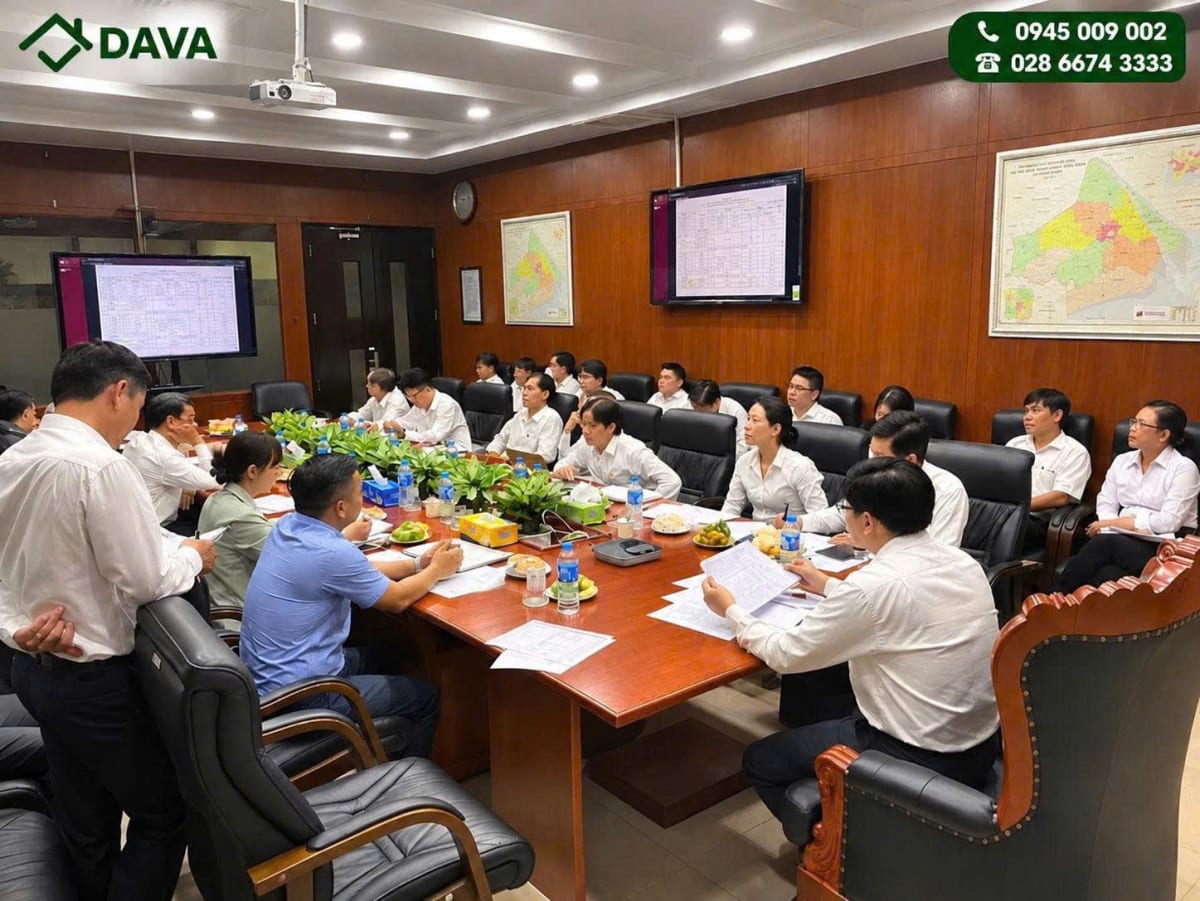
Do property valuers in Da Nang inspect the property on site?
For most purposes that require a valuation report, a site inspection is an important step. It lets the valuer confirm the physical condition, location and access. DAVA inspects properties in Da Nang and other areas on request.
How do I check that a valuation firm is licensed?
Ask for the firm's licence details and the name of the licensed valuer who will sign the report. Check both before you sign an engagement letter.
Can the report be prepared in English?
Yes. Our team can work with you in English, and documents can be prepared bilingually for foreign companies and expats.
Vietnam vs Australia, New Zealand and Singapore
The table below compares the main points for a foreign owner or investor. Fees are indicative only. Vietnamese fees have been converted at approximate rates around July 2026, rounded, and the exchange rate will have moved since then.
| Criteria | Vietnam | Australia | New Zealand | Singapore |
|---|---|---|---|---|
| Who signs the report | Licensed valuer of a licensed valuation firm | Valuer, often a Certified Practising Valuer (CPV) of the API | Registered valuer under the Valuers Act 1948 | Licensed appraiser issued by IRAS |
| Licensing or oversight | Ministry of Finance licenses firms and valuers | API membership; state registration required in Queensland and Western Australia | Valuers Registration Board (LINZ) | IRAS; licence renewed annually |
| Standards | Vietnamese valuation standards | IVS and API standards | PINZ and NZIV standards | SISV for property; IVAS for business |
| Typical fee (indicative) | From about AUD 220 / NZD 260 / SGD 200 for a VND 1 billion asset in a bank valuation | Varies; request a quote | From approximately NZ$800 + GST (2023 figures) | Approximately S$500 to S$700 |
| Time | Depends on documents and site access | Depends on property and access | Depends on property and access | Depends on property and access |
| Key difference for foreigners | Conditional ownership for foreign buyers; land use rights rather than freehold land | Rules set by each state and territory | Title rules depend on the property regime; check with a local lawyer | HDB and condo rules; many homes on 99-year leasehold; ABSD applies to foreign buyers |
Land values in Australia, RV and CV in New Zealand, and annual value in Singapore are state valuation measures. They are used for rates and taxes, and they are not the same as a market value report for a sale or loan. In Vietnam, state land price tables also differ from market value.
How DAVA supports foreign companies and expats in Vietnam
DAVA has more than 15 years of experience in valuing real estate, businesses and machinery and equipment. Our valuers have worked for courts, government bodies, banks and companies. We have offices in Ho Chi Minh City, Hanoi and Da Nang, and we inspect properties on site. For Australian clients, you can reach our team on WhatsApp at +61 451 710 342 (Qualified AU Pty Ltd), or email voan.sgg@gmail.com. Our team can work with you in English; documents can be prepared bilingually.